
The winter can be a time of great struggle for your skin. As the temperatures drop and the humidity levels change you may notice that your complexion feels tighter, rougher and drier than usual.

Even if your skin is normally balanced or oily, the colder months can bring unexpected dryness, flaky patches, chapped lips and irritation.
The cause is not simply the freezing temperatures. Hot showers, low humidity, indoor heating and some skin care products can all strip your skin of moisture and damage its protective barrier.
Dermatologists at the American Academy of Dermatology (AAD) suggest that changing your skincare routine for the colder months can help you fight dryness and keep your skin protected.
The good news is that you don’t have to have an expensive collection of beauty products to make a difference. Choosing the right moisturisers, using mild cleansers, and making a few changes to your daily routine can lead to impressive results.
I’ve gathered these 15 winter skincare tips using dermatologist guidance and educational resources from the American Academy of Dermatology, Cleveland Clinic, and Mayo Clinic.
From picking the perfect moisturiser to shielding sensitive skin, these practical pointers will help you build a more comfortable skincare routine for the colder months.
Why Does Your Skin Become Dry During Winter?
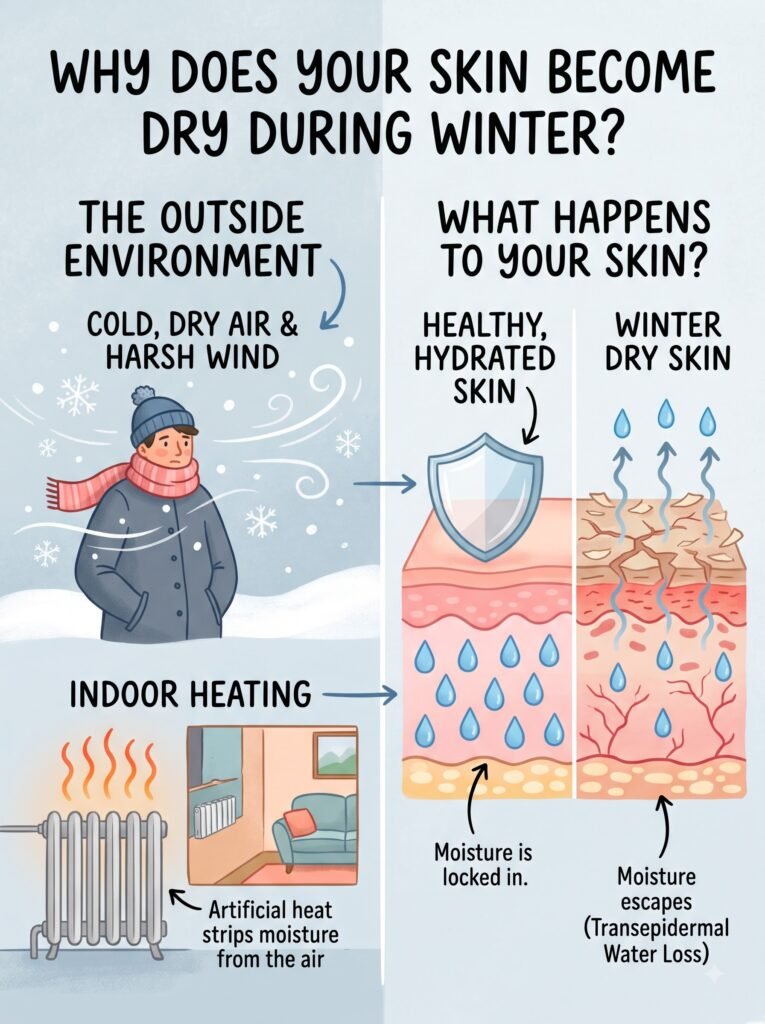
It is useful to know why your skin behaves differently during the winter months before you change your skincare routine.
Indoor heating can dry out the environment even further. Cold air outdoors usually has less moisture. These conditions can lead to increased water loss which can cause the outer skin layer to become rough, flaky and uncomfortable.
According to dermatologist Jennifer Lucas, MD, in a Cleveland Clinic guide to preventing dry skin during winter, lower environmental humidity and changes in the skin’s natural oils can contribute to winter dryness.
Other common factors include:
- Hot showers: Hot water can remove the skin’s natural oils if you’re in the shower too long.
- Cleansers that are too harsh: Dryness can be made worse by the use of harsh soaps and cleansing products.
- Indoor heating: In heated enclosed spaces it is possible to reduce humidity levels.
- Cold winds: Exposed skin may become irritated and uncomfortable.
- Over-exfoliation: Excessive use of exfoliating products can aggravate an already compromised skin barrier.
Knowing these triggers makes it easier to pick skin care products and routines that are a good fit for your skin’s needs.
Best Skincare Ingredients to Look for During Winter

When choosing winter skincare products, understanding the ingredients can help you make better purchasing decisions.
Here are some commonly recommended ingredients and their roles in moisturizing skincare formulation.
| Ingredient | What it does |
|---|---|
| Ceramides | Help support the skin’s protective barrier |
| Glycerin | Attracts water to the outer layer of skin |
| Hyaluronic Acid | Helps attract and retain moisture |
| Petrolatum | Reduces moisture loss by forming a protective layer |
| Shea Butter | Softens and conditions dry skin |
| Squalane | Helps soften and condition skin |
| Panthenol | Helps support hydration and skin comfort |
| Niacinamide | Supports skin-barrier function |
You don’t need every ingredient in your skincare cabinet. A suitable cleanser, moisturizer, and sunscreen are the essentials. Choose additional products according to your skin type and concerns.
15 Dermatologist-Backed Winter Skincare Tips
I’ve researched guidance from three major medical sources: the American Academy of Dermatology (AAD), Cleveland Clinic, and Mayo Clinic. These are much stronger references for a professional skincare Routine.
As an Amazon Associate, I earn from qualifying purchases. This means I may earn a small commission when you purchase through links in this post, at no additional cost to you. I only recommend products that may be useful for your skincare routine.
1. Switch to a Gentle, Fragrance-Free Cleanser

As the winter season approaches, one of the first products you should re-evaluate is your cleanser. A face wash that feels wonderful in summer may leave your skin feeling tight or dry when the humidity drops.
The American Academy of Dermatology recommends gentle cleansers that clean the skin without stripping it too much. If you have dry or sensitive skin, it is better to choose a mild, fragrance-free cleanser instead of a strong one that produces a lot of foam.
When shopping, check the ingredient list. Some products contain harsh cleansing agents that may not work for everyone, but glycerin and other moisturising ingredients can be a helpful addition to a cleanser.
If your skin is very dry, you might want to use a cream- or lotion-based cleanser.
What to look for:
- Gentle cleansing formulas.
- Fragrance-free labeling.
- Glycerin and other moisturizing ingredients.
- Products suitable for sensitive skin.
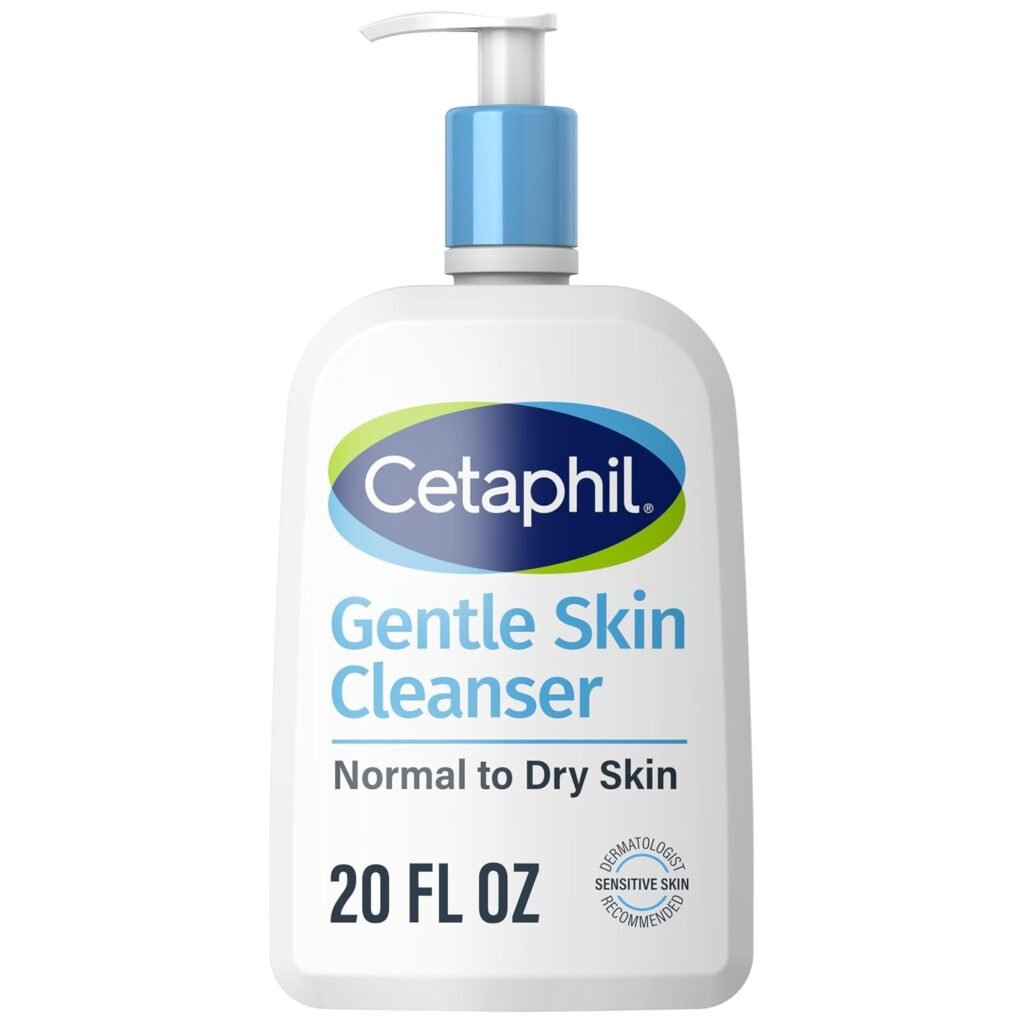
Cetaphil Gentle Cleanser, Hydrating Face Wash, Sensitive Skin
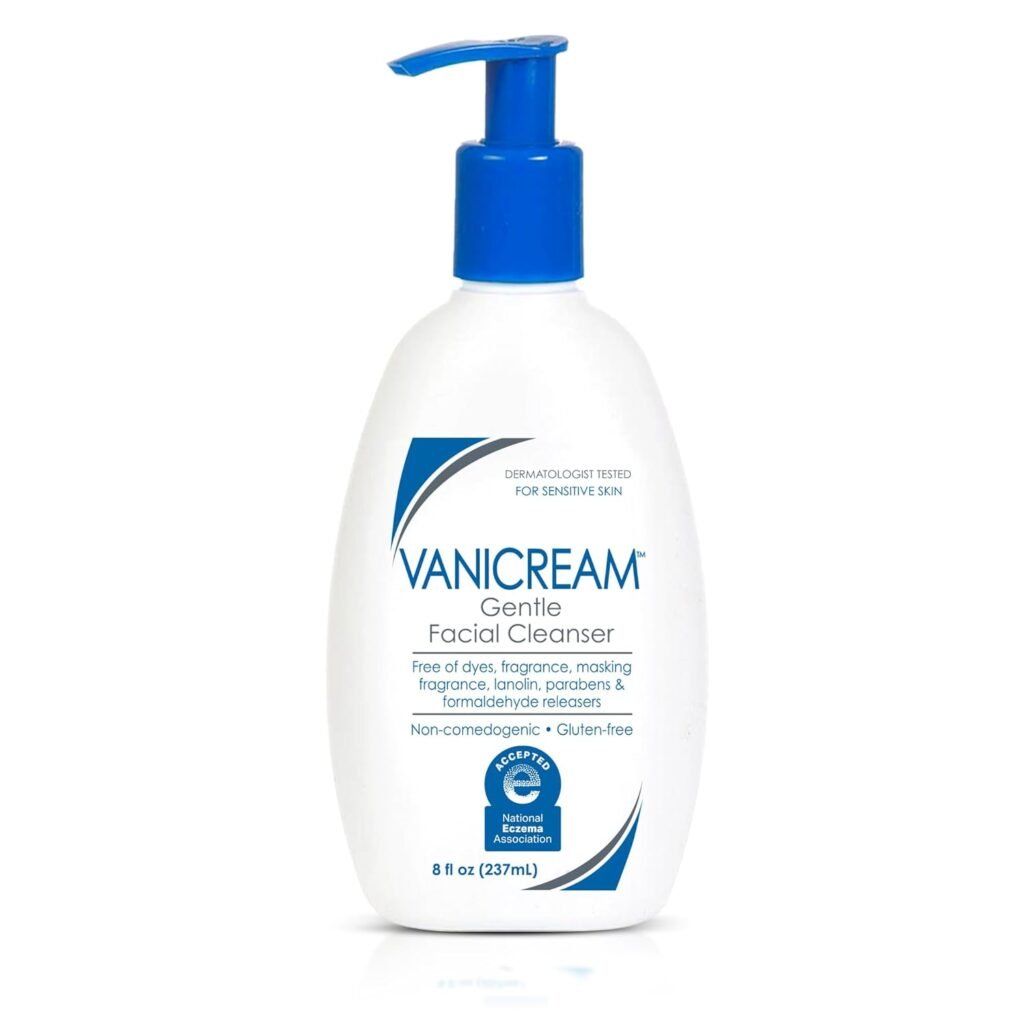
Vanicream Gentle Facial Cleanser
Expert resource: American Academy of Dermatology – Dermatologists’ Top Tips for Relieving Dry Skin.
2. Choose a Moisturizer That Matches Your Skin Type

A good moisturizer should be the foundation of your winter skincare routine. However, choosing the right formula matters more than simply buying the thickest cream available.
The American Academy of Dermatology explains that creams and ointments generally provide more moisture than lotions. This makes them useful options for people dealing with significant dryness during colder months.
Consider these options:

Vanicream Daily Facial Moisturizer
- Dry skin: Look for richer creams or ointments containing petrolatum, glycerin, or ceramides.
- Oily skin: Consider lightweight, non-comedogenic gels or lotions.
- Combination skin: Apply a richer moisturizer to dry areas and a lighter formula to oilier areas.
- Sensitive skin: Choose fragrance-free formulas with simple ingredient lists.
Ceramides are particularly worth considering because they help support the skin’s natural protective barrier.
You don’t need to spend a fortune on a moisturizer, either. According to AAD dermatologist guidance, choosing a suitable formulation for your skin type is more important than purchasing an expensive brand.
Expert resource: AAD – How to Pick the Right Moisturizer for Your Skin.
3. Apply Moisturizer Immediately After Washing
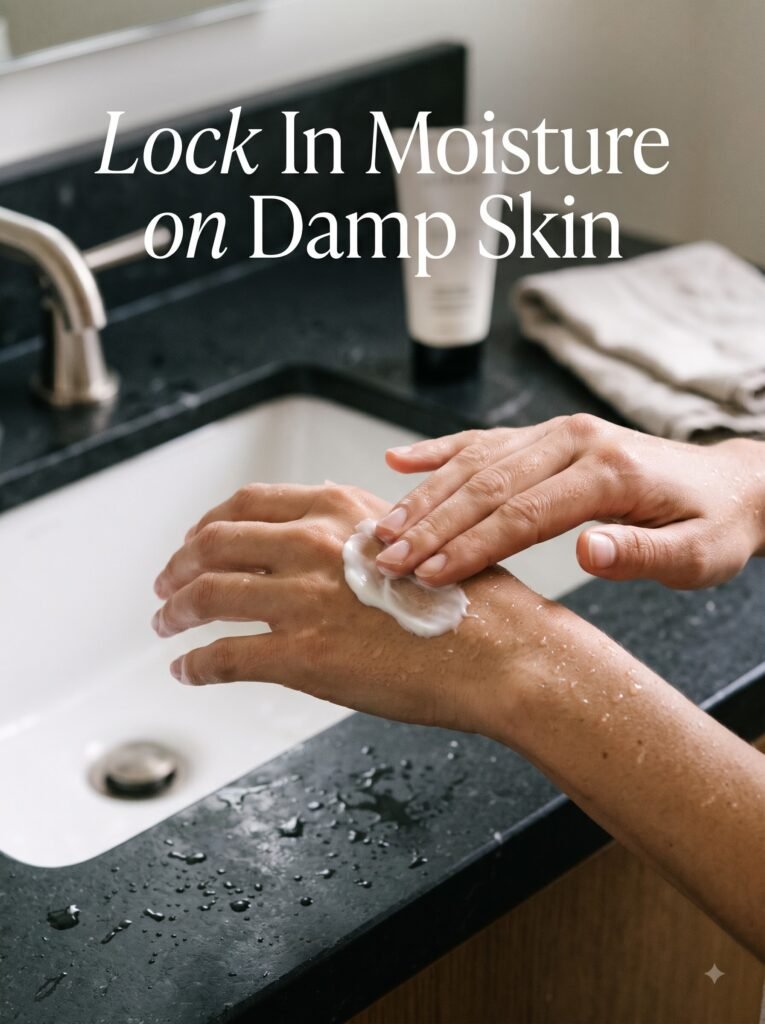
The simplest thing dermatologists tell you is to apply moisturiser when the skin is still a little damp.
When washing your face or taking a shower, pat your skin dry with a clean towel — don’t rub it dry. Then follow this up with your moisturiser to help seal in any moisture you already have.
The American Academy of Dermatology suggests moisturising your skin immediately after bathing and whenever your skin feels dry.
This is especially handy in winter, when the loss of moisture can be more felt because of the low humidity and indoor heating.
You can also keep a hand cream near your washbasin and apply it after you have washed your hands.
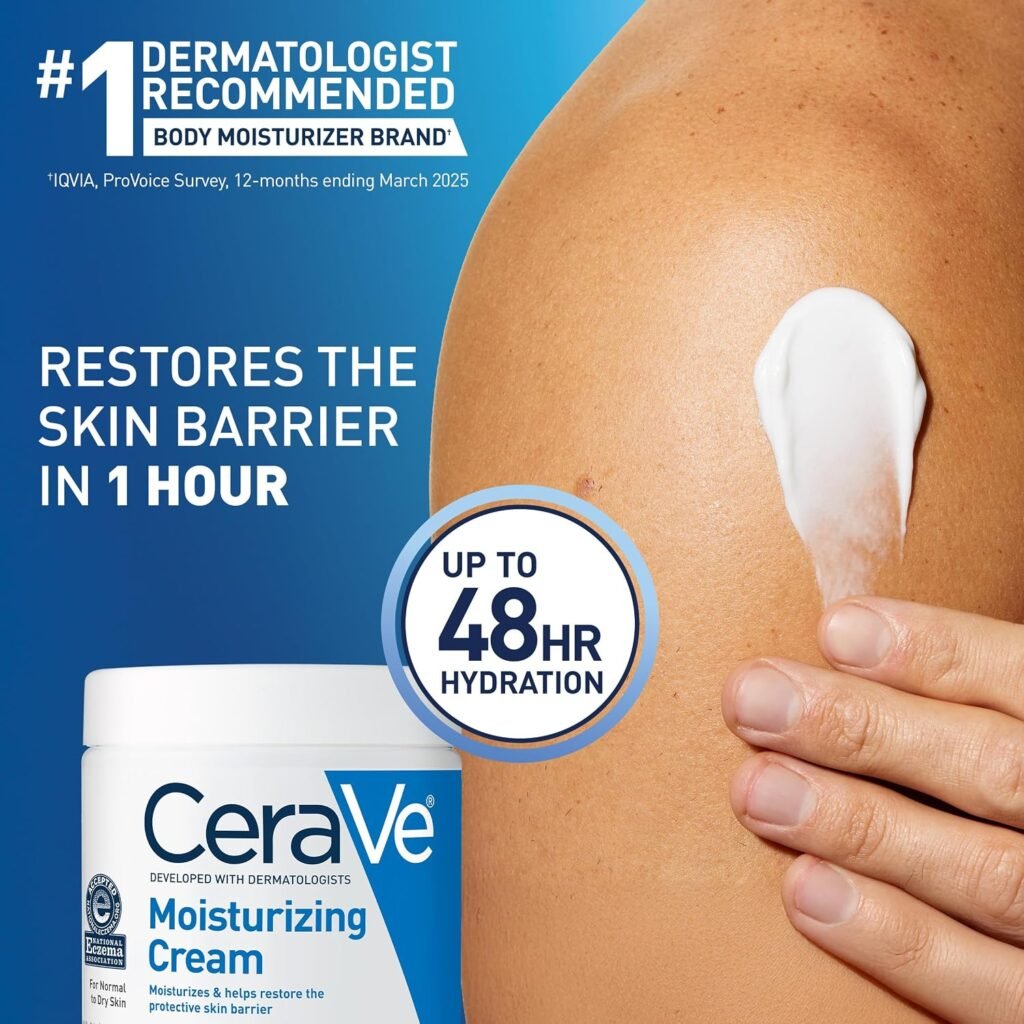
CeraVe Moisturizing Cream, Face & Body for Dry Skin
Try this: Make moisturizing part of your cleansing routine rather than waiting until your skin starts feeling tight.
4. Never Skip Broad-Spectrum Sunscreen
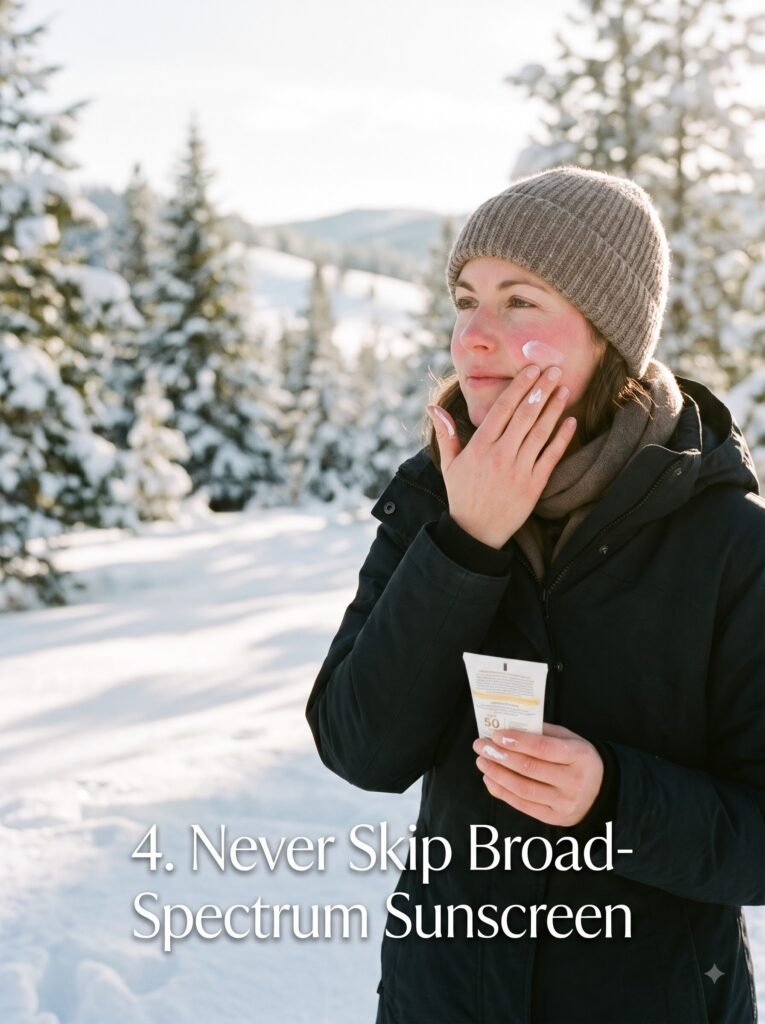
Sunscreen isn’t just a summer essential. Ultraviolet radiation remains present throughout the year, even when the weather is cold or cloudy.
Daily sun protection helps reduce the risk of sunburn, premature skin aging, and UV-related skin damage.
The American Academy of Dermatology recommends choosing a broad-spectrum, water-resistant sunscreen with SPF 30 or higher.
Apply it to your face, neck, ears, and other exposed areas as the final step of your morning skincare routine. If you’re spending time outdoors, reapply approximately every two hours and after swimming or sweating.
For winter sports or snowy destinations, sun protection becomes particularly important because snow can reflect UV radiation.
My recommendation: Choose a sunscreen with a moisturizing texture if your skin becomes dry during winter. You can also layer it over your regular moisturizer.
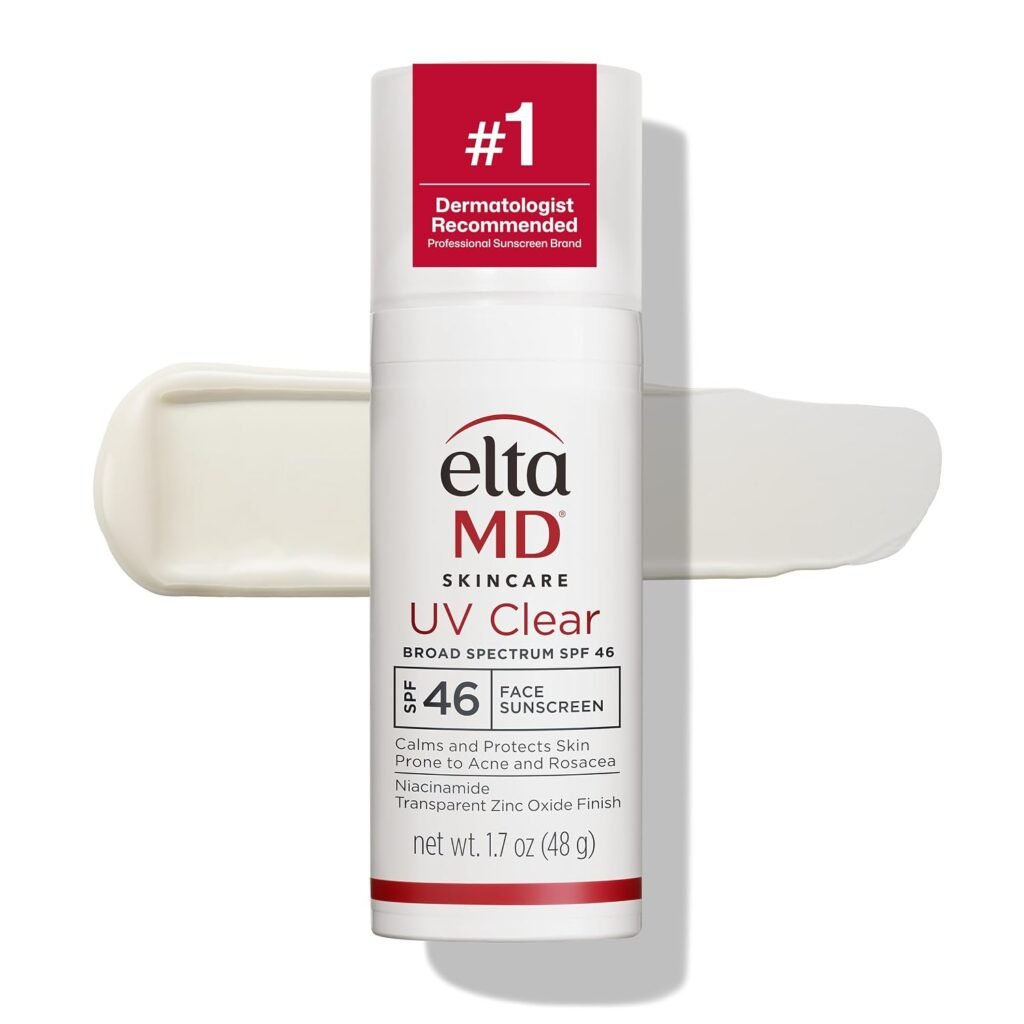
EltaMD UV Clear Face Sunscreen with Zinc Oxide, Oil-Free
Expert resource: American Academy of Dermatology – Sunscreen Recommendations.
5. Use a Nourishing Moisturizer at Night
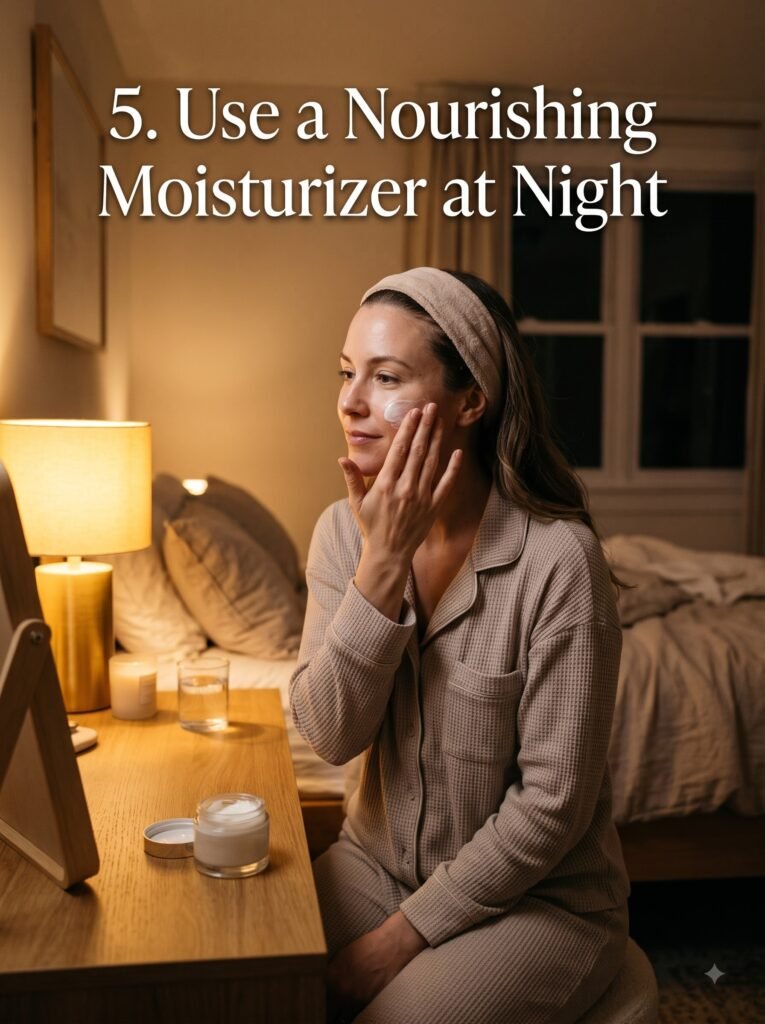
Your nighttime skincare routine doesn’t need to be complicated, but it should leave your skin comfortable before bedtime.
If your complexion feels dry after a day of cold weather and indoor heating, consider using a richer moisturizer at night.
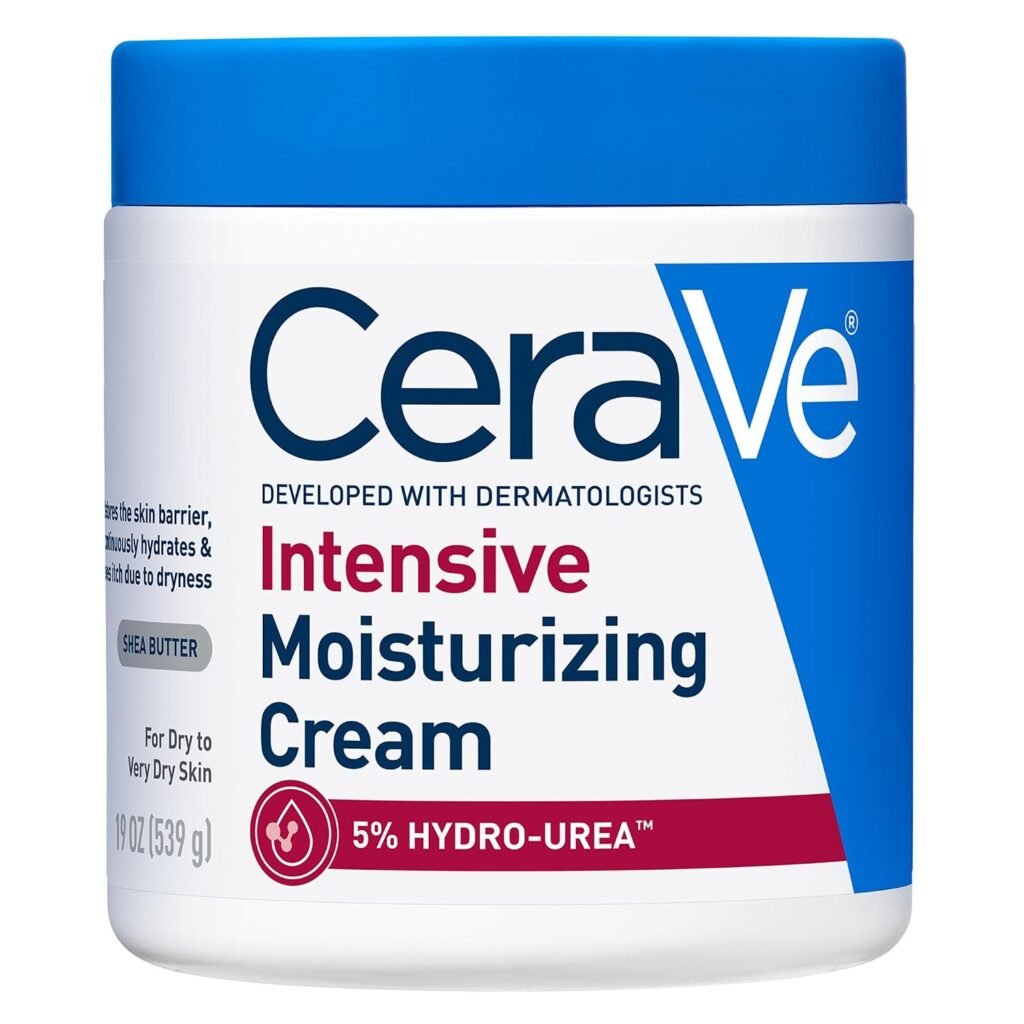
CeraVe Intensive Moisturizing Cream with Shea Butter for Dry Skin
Ingredients worth looking for include:
- Ceramides to support the skin barrier.
- Glycerin to attract moisture.
- Petrolatum to reduce water loss.
- Squalane to soften and condition skin.
For particularly dry patches, a thin layer of petrolatum over your moisturizer may help protect the area and reduce moisture loss.
This approach is sometimes called occlusive layering. It isn’t necessary for everyone, particularly if you have acne-prone skin or find heavy products uncomfortable.
Start with a small amount and see how your skin responds.
6. Take Shorter Showers With Lukewarm Water

A long, hot shower might feel relaxing after spending time outside in freezing temperatures, but it can make winter dryness worse.
Hot water can remove natural oils from the skin, weakening its ability to retain moisture. Spending too much time bathing may further aggravate dryness.
Dermatologists at Cleveland Clinic recommend keeping showers around five to ten minutes and using lukewarm rather than hot water.
After bathing:
- Gently pat your skin with a clean towel.
- Avoid rubbing dry areas.
- Apply a moisturizer while your skin is still slightly damp.
- Use a gentle body cleanser instead of harsh soaps.
You don’t have to give up your relaxing showers completely. Simply reducing the temperature and time can make your bathing routine more skin-friendly.
Expert resource: Cleveland Clinic – How to Prevent Dry Skin This Winter.
7. Protect Your Lips With a Nourishing Lip Balm
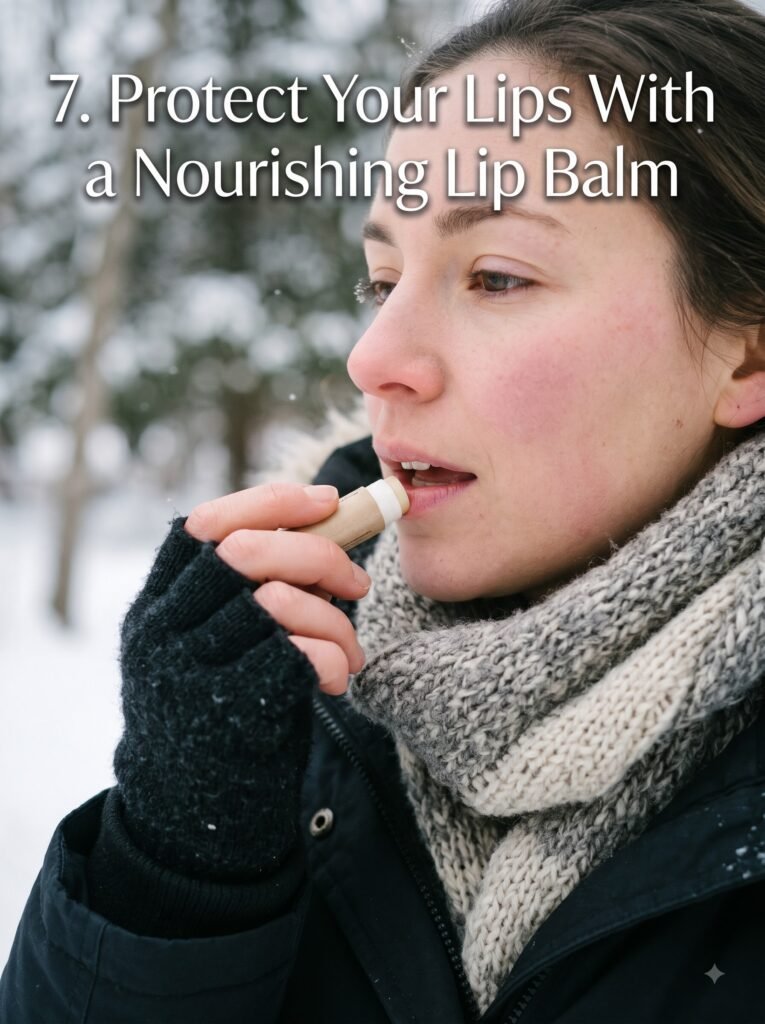
Chapped lips are a common winter concern. Unlike the rest of your skin, the lips have a different protective structure and can become uncomfortable when exposed to cold winds and dry air.
A dermatologist-recommended approach is to use a moisturizing lip product regularly rather than waiting until your lips become cracked.
Look for ingredients such as:
- Petrolatum.
- Shea butter.
- Mineral oil.
- Ceramides.
- Dimethicone.
For daytime, choose a lip balm with SPF 30 or higher to help protect your lips from UV exposure.
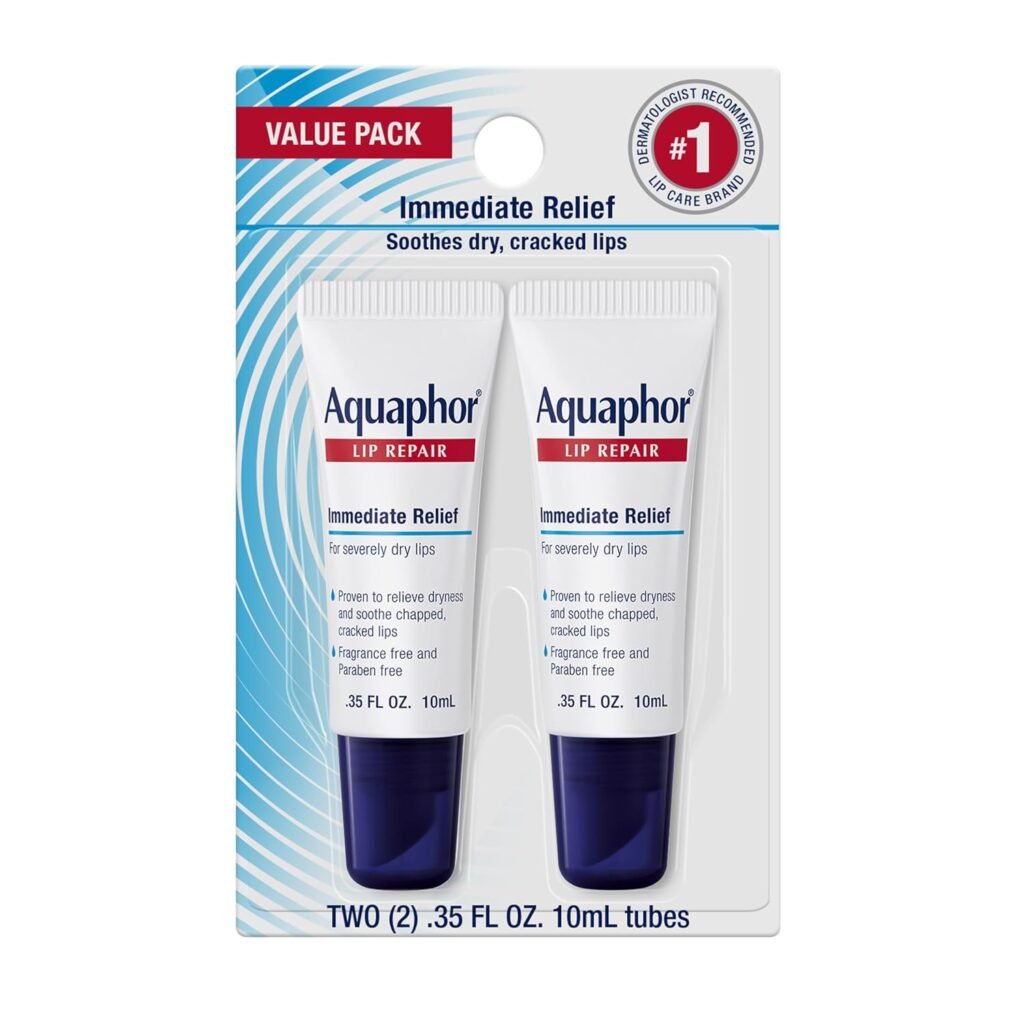
Aquaphor Lip Repair Ointment
At night, apply a thicker layer of a simple, fragrance-free lip ointment.
Avoid repeatedly licking your lips, as saliva can contribute to further dryness. Also avoid irritating ingredients such as menthol, camphor, and certain strong flavoring agents if your lips are already chapped.
8. Give Your Hands and Cuticles Extra Attention

Your hands are exposed to frequent washing, cleaning products, cold air, and temperature changes. This combination can leave them rough, dry, and sometimes cracked.
The American Academy of Dermatology specifically recommends moisturizing hands regularly and wearing protective gloves when performing activities that involve prolonged water exposure.
For a practical winter hand-care routine:
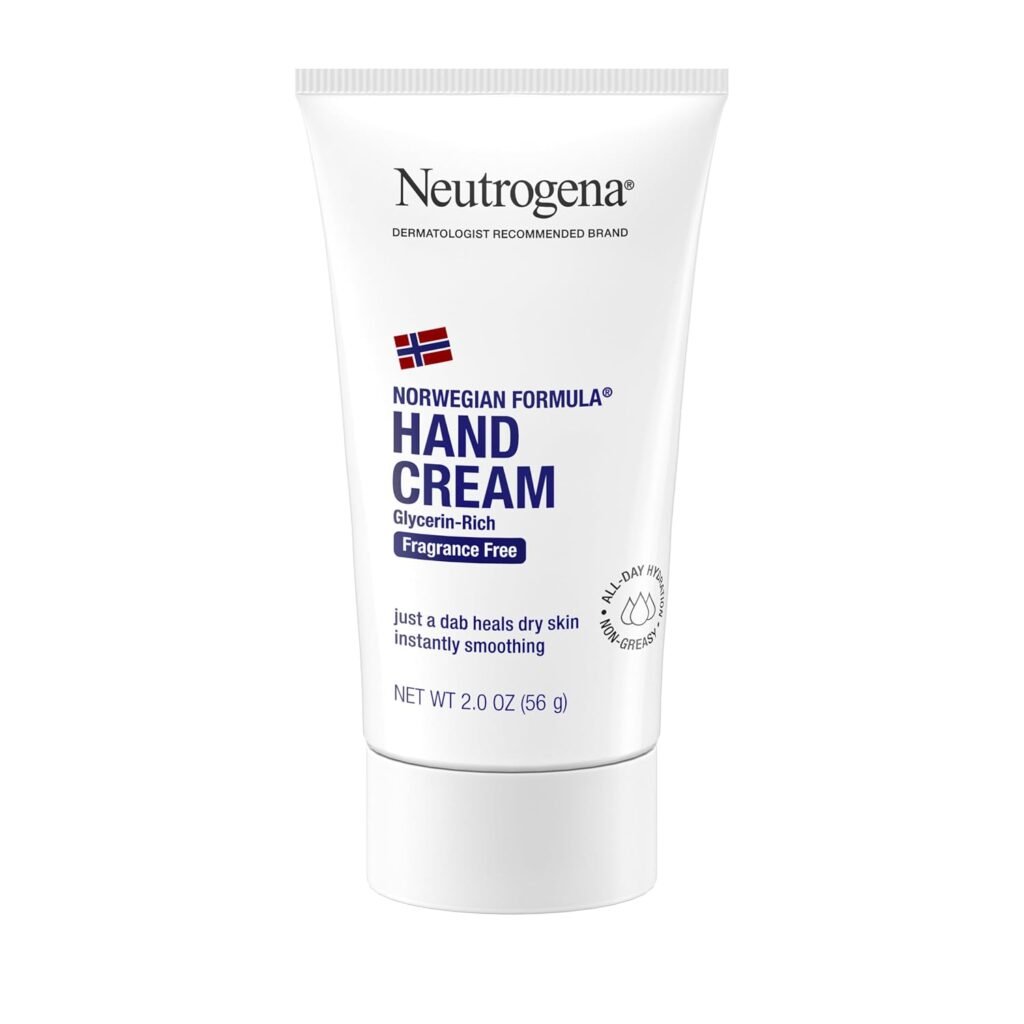
Neutrogena Norwegian Formula Hand Cream, Fragrance Free
- Apply hand cream after washing your hands.
- Wear gloves outdoors in cold weather.
- Use protective gloves when washing dishes.
- Choose fragrance-free hand moisturizers.
- Apply a richer cream before going to bed.
Your cuticles also benefit from regular conditioning. A small amount of cuticle oil or a fragrance-free ointment can help soften dry skin around your nails.
If your hands become extremely dry, thick creams and ointments may provide more protection than lightweight lotions.
9. Reduce Exfoliation When Your Skin Becomes Dry

Exfoliating products can help improve rough texture, but excessive exfoliation is not a good solution for winter dryness.
Products containing glycolic acid, lactic acid, salicylic acid, and other exfoliating ingredients can irritate skin when used too frequently or at unsuitable strengths.
The American Academy of Dermatology advises people dealing with dry skin to be careful with potentially irritating skincare products and focus on restoring moisture.
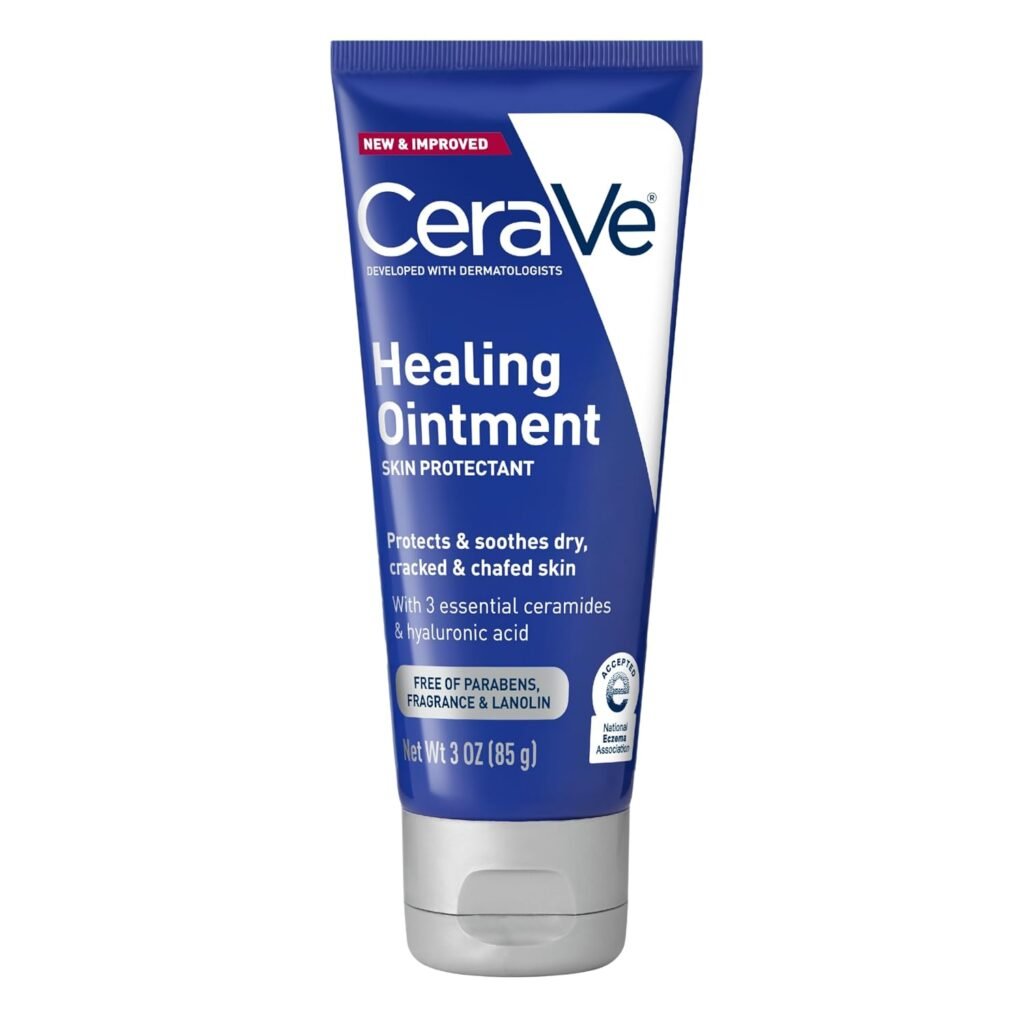
CeraVe Healing Ointment, Hyaluronic Acid Skin Protectant for Dry Skin
If you already use chemical exfoliants, consider reducing their frequency when your skin becomes dry or sensitive. Avoid combining several exfoliating products in one routine.
You should also skip exfoliation when your skin is visibly irritated, cracked, or inflamed.
Remember, you don’t need to remove dead skin cells every day. Maintaining a comfortable skin barrier should be the priority during winter.
10. Use a Hydrating Face Mask When Needed
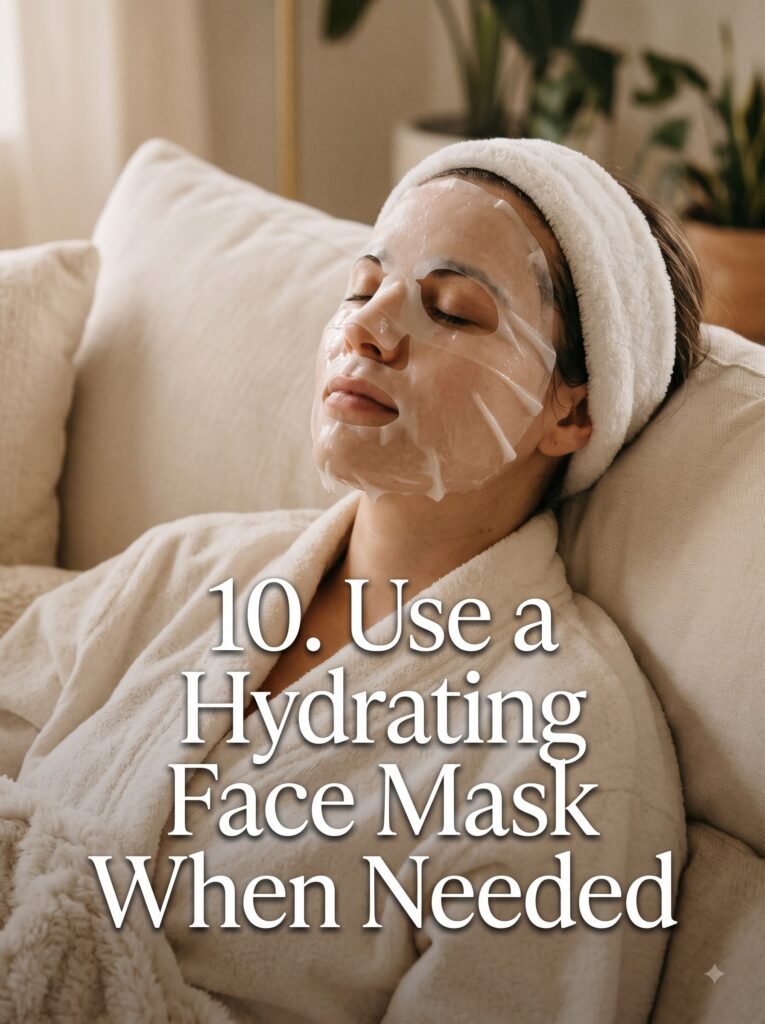
A hydrating face mask can be a useful addition to your winter beauty routine, particularly if your skin feels temporarily dehydrated.
Look for formulas containing ingredients such as glycerin, hyaluronic acid, panthenol, or aloe vera.
These ingredients are commonly used in moisturizing skincare products to help improve hydration and skin comfort.
You can choose between cream masks, gel masks, and sheet masks depending on your preferences.
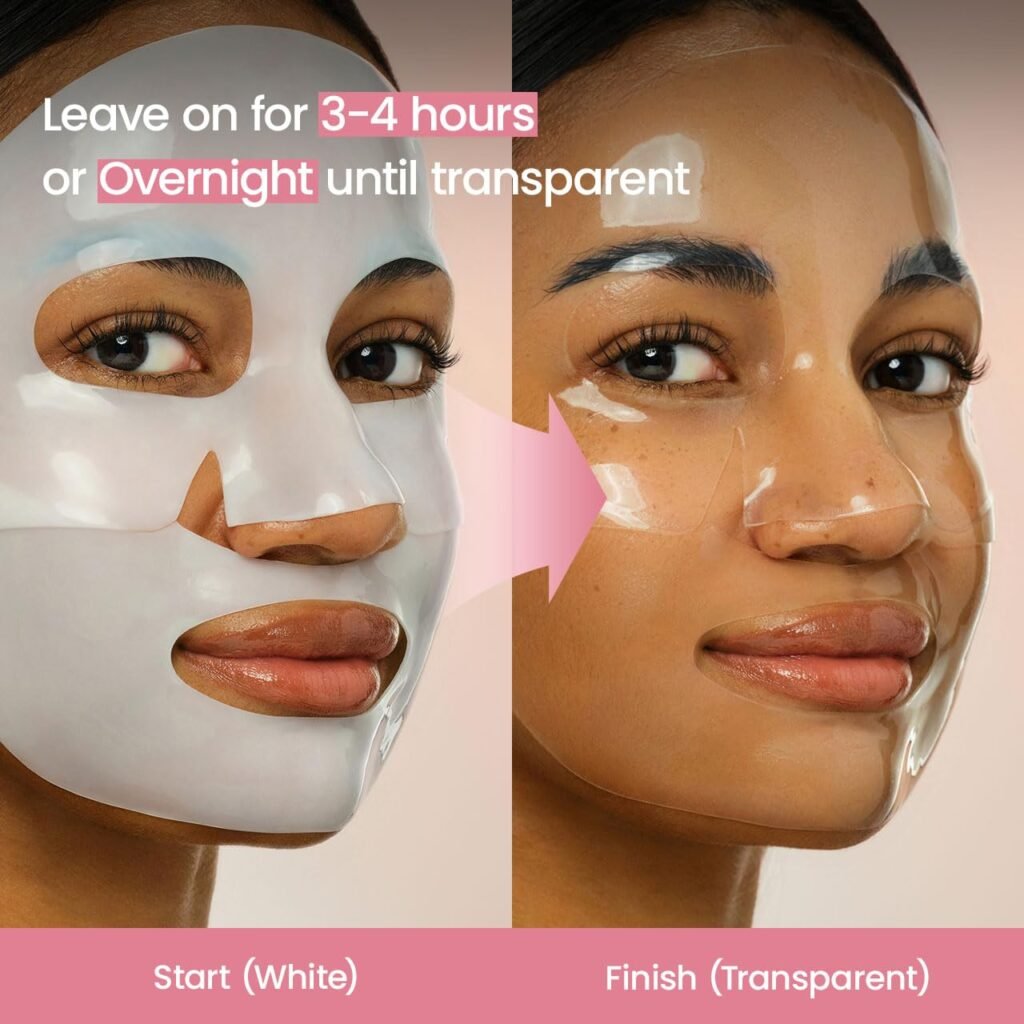
Real Deep Mask for Hydrating & Plumping
However, a face mask isn’t a replacement for your everyday moisturizer. Always follow the product’s instructions, and apply your regular moisturizer afterward if needed.
If you have sensitive skin, check the ingredient list carefully and avoid masks containing strong fragrances or exfoliating ingredients that might cause irritation.
11. Maintain a Comfortable Indoor Humidity Level

Your bedroom environment can affect how comfortable your skin feels during winter.
Indoor heating systems can reduce humidity, creating a dry environment that may contribute to skin moisture loss.
A humidifier can help add moisture to indoor air, particularly while you sleep.
The American Academy of Dermatology recommends using a portable humidifier in the bedroom to help relieve dry skin. Cleveland Clinic dermatologists also discuss humidifiers as a practical way to manage winter dryness.

Levoit Top Fill Humidifiers for Bedroom
For better results:
- Choose a humidifier suitable for your room size.
- Clean the device according to the manufacturer’s instructions.
- Replace water regularly.
- Avoid allowing excessive humidity or condensation to develop.
A humidifier won’t replace moisturizer, but it can help create a more comfortable indoor environment.
12. Protect Exposed Skin From Cold Winds

Cold winds can make exposed areas of your skin feel uncomfortable, especially around your cheeks, nose, and hands.
Rather than relying entirely on skincare products, consider adding physical protection to your winter routine.
Wear gloves, scarves, and weather-appropriate clothing when temperatures drop. A scarf can help cover your cheeks and neck, while gloves protect your hands from cold air.
Before heading outdoors, apply your regular moisturizer and sunscreen to exposed areas.
The American Academy of Dermatology emphasizes protecting the face, hands, and feet from cold weather to help prevent dry skin from worsening.
If you have sensitive skin, choose soft fabrics that don’t rub against irritated areas.
Related Post: Winter 2026 Fashion Trends: 20+ Best Winter Outfits You’ll Love
13. Pay Attention to Fragrance and Irritating Ingredients
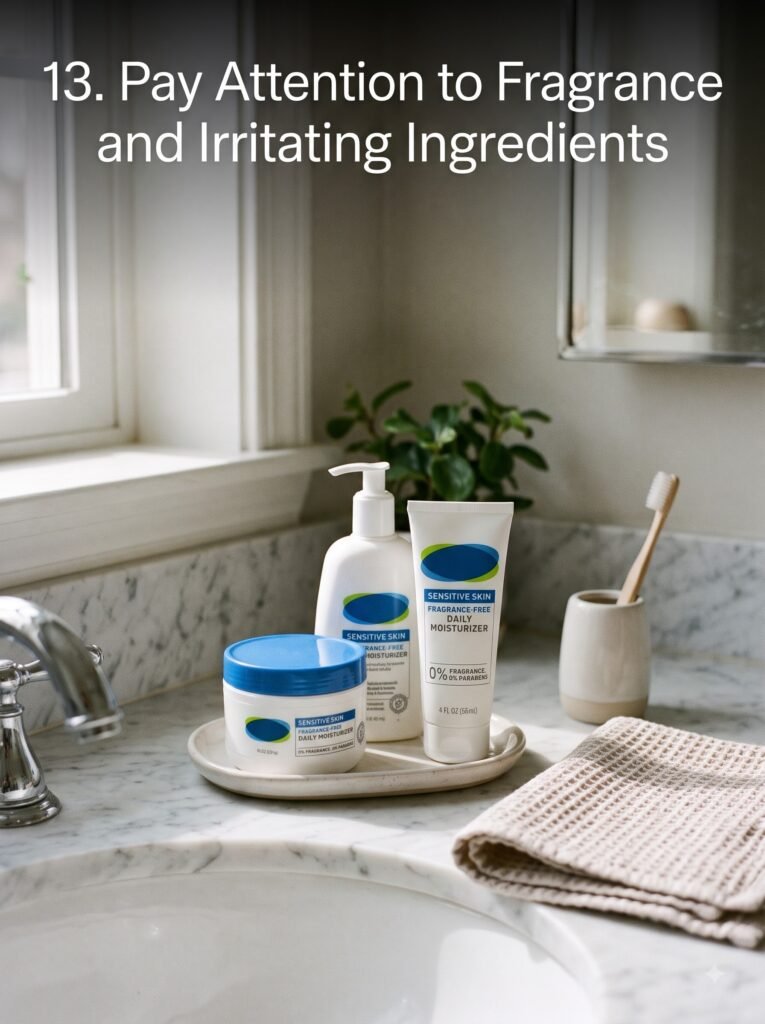
A product smelling wonderful doesn’t necessarily mean it’s suitable for dry or sensitive skin.
Fragrance ingredients can irritate some people, especially when their skin barrier is already compromised.
Cleveland Clinic dermatologist Shilpi Khetarpal, MD, has highlighted the importance of avoiding fragranced skincare products when dealing with winter dryness and irritation.
For your winter routine, consider products labeled fragrance-free rather than simply unscented. These labels are not interchangeable: unscented products may still contain ingredients used to mask odors.
Also pay attention to how your skin responds to active ingredients such as retinoids and exfoliating acids. You don’t necessarily need to stop every active ingredient during winter, but reducing frequency or adjusting the formulation may help if irritation develops.
Introduce new products gradually, and patch-test when appropriate.
Expert resource: Cleveland Clinic – Protecting Your Skin This Winter.
14. Don’t Ignore Dry Skin on Your Body

Many people focus their winter skincare routine entirely on their face, but the rest of the body needs attention too.
Dryness can affect the arms, legs, elbows, knees, and feet, particularly when indoor heating and frequent hot showers become part of everyday life.
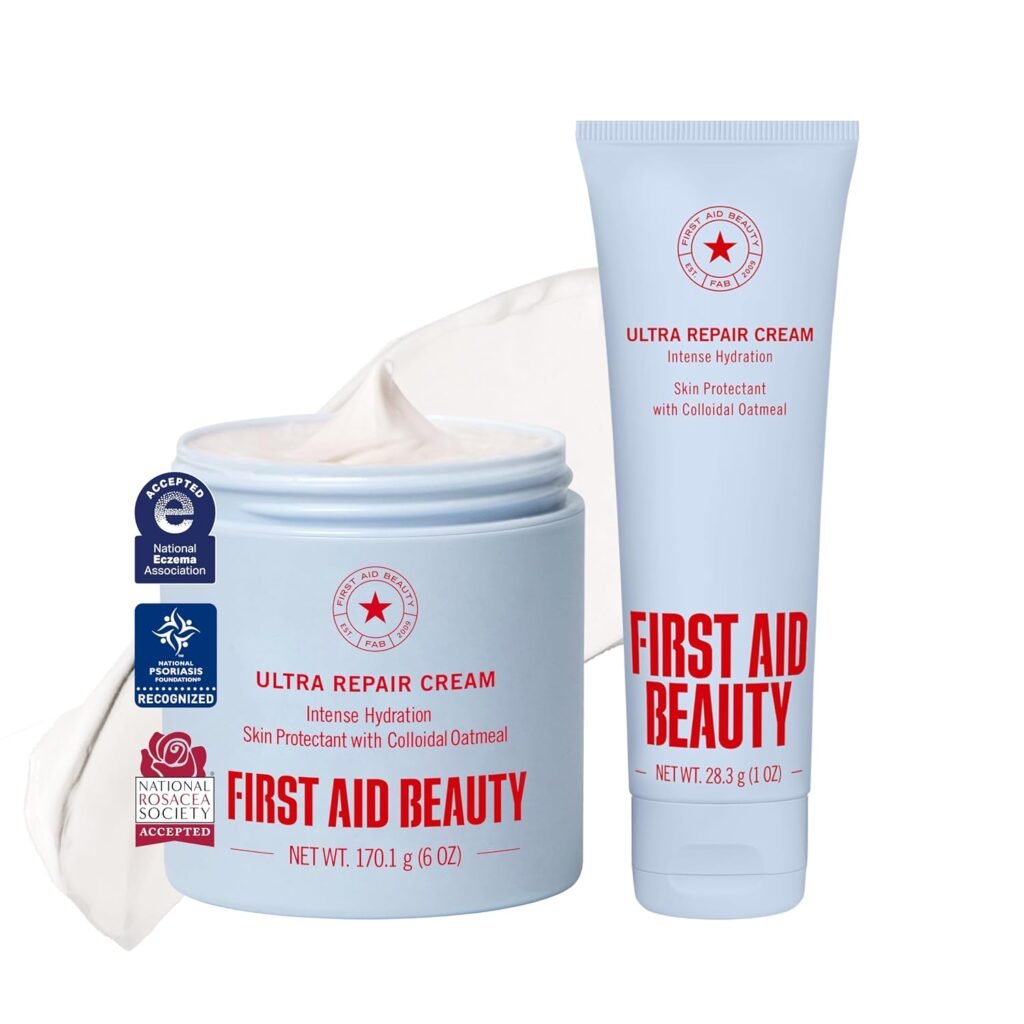
First Aid Beauty Ultra Repair Cream, Face Body
Mayo Clinic recommends using thicker moisturizers, limiting hot-water exposure, and applying moisturizer while the skin is still damp.
For your body-care routine, consider:
- A gentle body cleanser.
- A richer body cream for dry areas.
- A fragrance-free hand and body moisturizer.
- Petrolatum-based ointments for particularly dry patches.
- Soft cotton clothing if rough fabrics irritate your skin.
Pay particular attention to your hands and feet, which can develop painful cracks when dryness becomes severe.
If your skin remains irritated despite these changes, speak with a healthcare professional.
Expert resource: Mayo Clinic – Dry Skin: Diagnosis and Treatment.
15. Build a Simple and Consistent Morning and Night Routine

One of the most useful winter skincare habits is keeping your routine simple enough to follow consistently.
You don’t need ten different serums or a complicated collection of beauty treatments. Start with products that cleanse, moisturize, and protect your skin.
Here’s an easy routine based on common dermatologist recommendations.
Morning Winter Skincare Routine
- Gentle cleanser: Cleanse your face with a mild formula, or rinse with water if your skin doesn’t need morning cleansing.
- Hydrating serum: Use a serum containing glycerin or hyaluronic acid if your skin benefits from extra hydration.
- Moisturizer: Apply a formula suitable for your skin type.
- Sunscreen: Finish with broad-spectrum SPF 30 or higher.
Nighttime Winter Skincare Routine
- Cleanser: Remove makeup, sunscreen, dirt, and everyday buildup.
- Treatment product: Apply any suitable skincare treatment according to its instructions.
- Moisturizer: Use a cream or lotion that leaves your skin comfortable.
- Lip balm: Apply a nourishing lip product before bed.
You can add a hydrating mask or gentle exfoliating product occasionally, but avoid introducing too many active ingredients at once.
The best winter skincare routine is one that addresses your skin’s actual needs without causing unnecessary irritation.
Winter Skincare Mistakes Dermatologists Want You to Avoid
Even if you’re using good skincare products, certain habits can make winter dryness worse.
Here are some common mistakes to watch out for:
Taking excessively hot showers: Hot water can remove natural oils and worsen dry skin. Choose lukewarm water instead.
Skipping moisturizer after bathing: Applying moisturizer while your skin is slightly damp helps trap existing moisture.
Using too many exfoliating products: Excessive exfoliation may aggravate irritation and dryness.
Ignoring sunscreen: UV protection remains important during winter.
Choosing heavily fragranced products: Fragrance can irritate sensitive or compromised skin.
Forgetting your hands and lips: These exposed areas need regular moisturizing and protection.
Buying products based only on price: A more expensive product isn’t automatically more effective. Choose suitable ingredients and formulations instead.
Thanks for Visiting my Blog